RED FLAG

Red Flags: Recognizing the Warning Signs

Every child deserves to feel safe, supported, and protected. One of the most important ways we can safeguard children is by learning to recognize the warning signs—often referred to as “red flags”—that may indicate abuse or unsafe situations. These signs are not always obvious, but awareness can make a life-changing difference.

What Are Red Flags?

Red flags are warning signs or behaviors that may suggest a child is experiencing harm, neglect, or abuse. While a single sign does not always confirm a problem, patterns or multiple indicators should never be ignored.

Being informed empowers parents, caregivers, educators, and community members to take action when it matters most.

Common Red Flags in Children​

Behavioral Changes

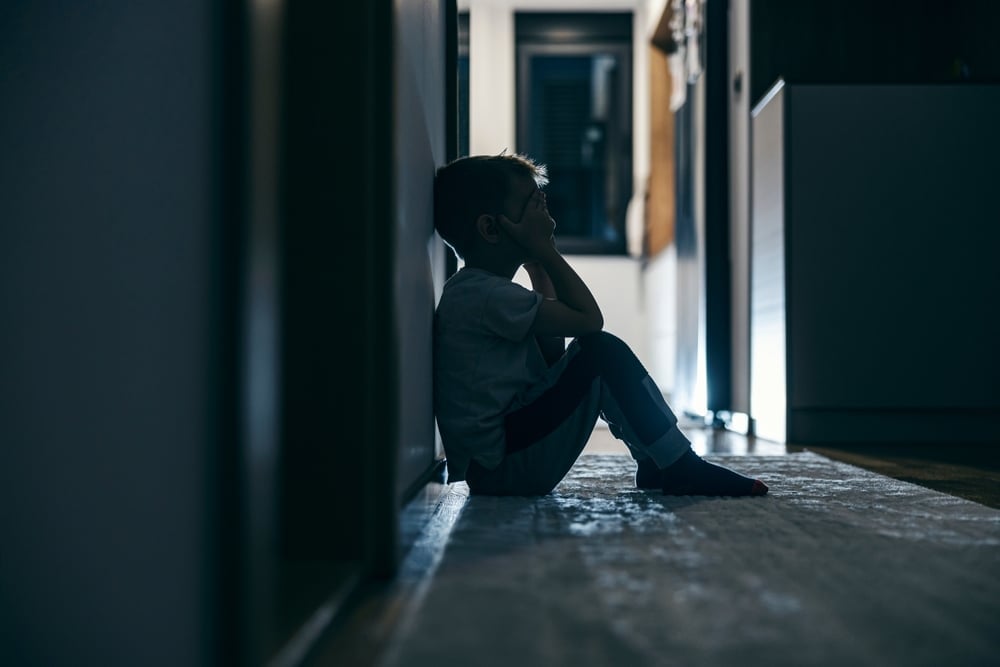
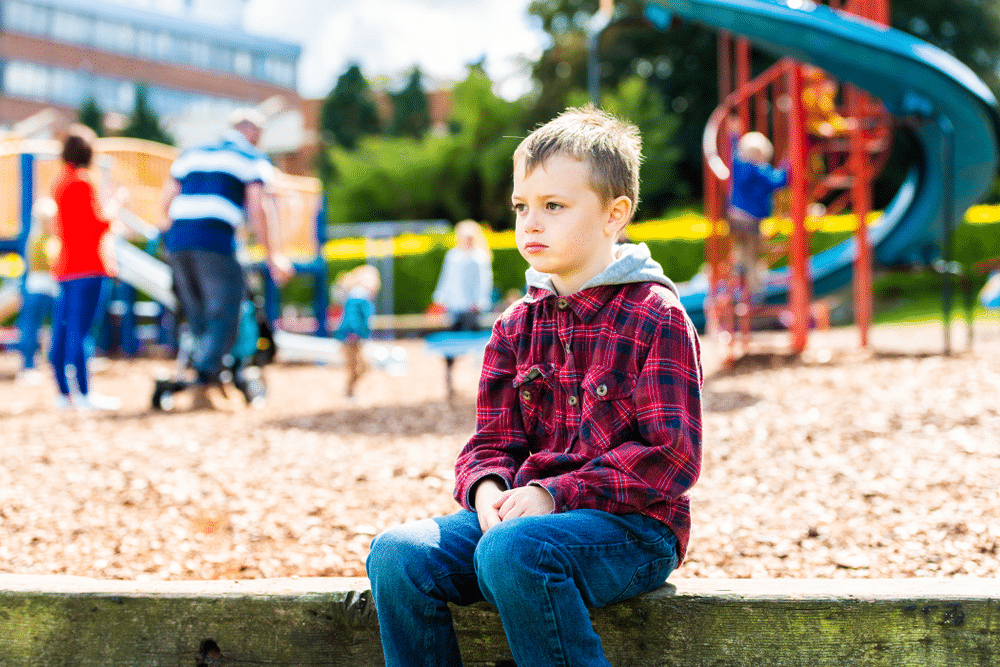
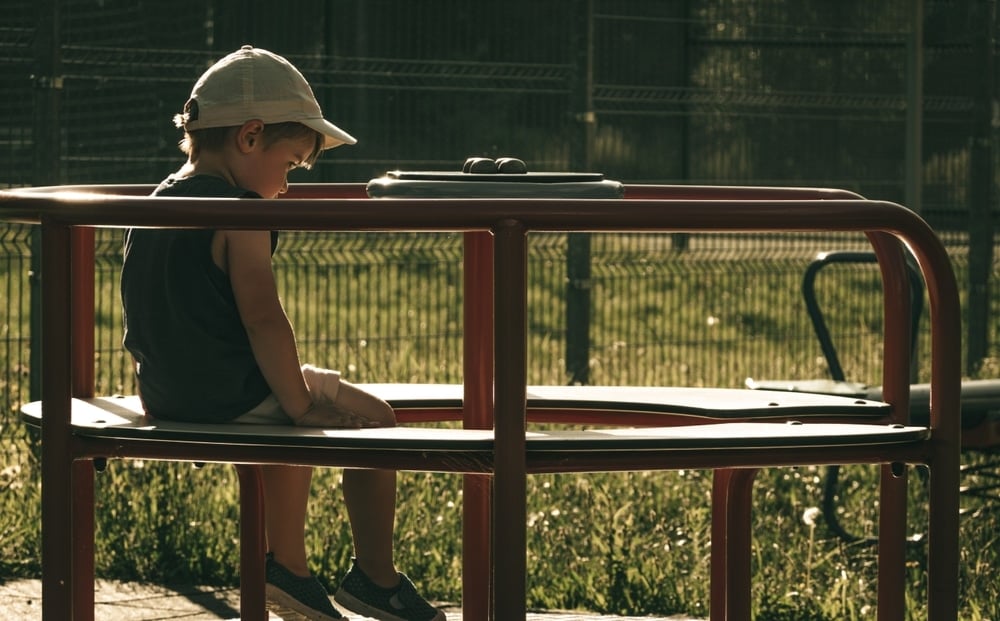
  • Sudden withdrawal or isolation
  • Excessive fear, anxiety, or depression
  • Aggressive or unusually disruptive behavior
  • Regression to younger behaviors (bedwetting, thumb-sucking)

Physical Signs

  • Unexplained injuries or frequent bruising
  • Difficulty walking or sitting
  • Poor hygiene or signs of neglect
  • Sudden changes in appetite or sleep patterns

Emotional Indicators

  • Low self-esteem or feelings of worthlessness
  • Fear of going home or being around certain individuals
  • Reluctance to change clothes or participate in activities

Red Flags in Adult Behavior

It’s just as important to recognize concerning behaviors in adults who interact with children.

  • Seeking excessive alone time with a child
  • Ignoring boundaries or physical limits
  • Giving inappropriate gifts or attention
  • Encouraging secrecy or special relationships
  • Becoming overly controlling or possessive

Creating a Safe and Supportive Environment

Prevention starts with open communication and awareness. Encourage children to speak up, teach them about boundaries, and remind them that they are always safe to share their feelings.

As a community, we all play a role in protecting children. By staying alert to red flags and responding with care and urgency, we can create a safer environment where every child has the opportunity to thrive.

Every Child Should Be Safe in Their Own Castle.

If you suspect child abuse or need assistance, contact us today. Our team is here to listen, support, and help guide you forward.

Scroll to Top